How Many AION UT Hatchbacks Fit in a 40ft High Cube Container?
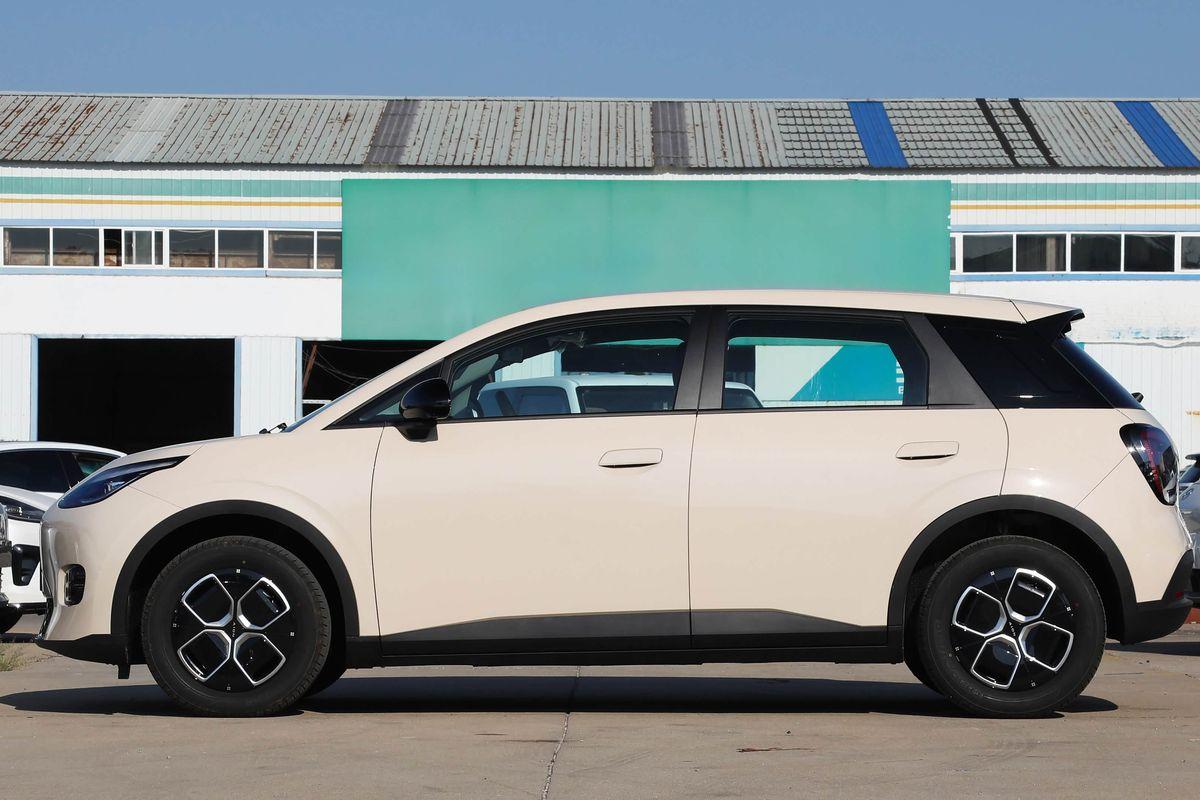
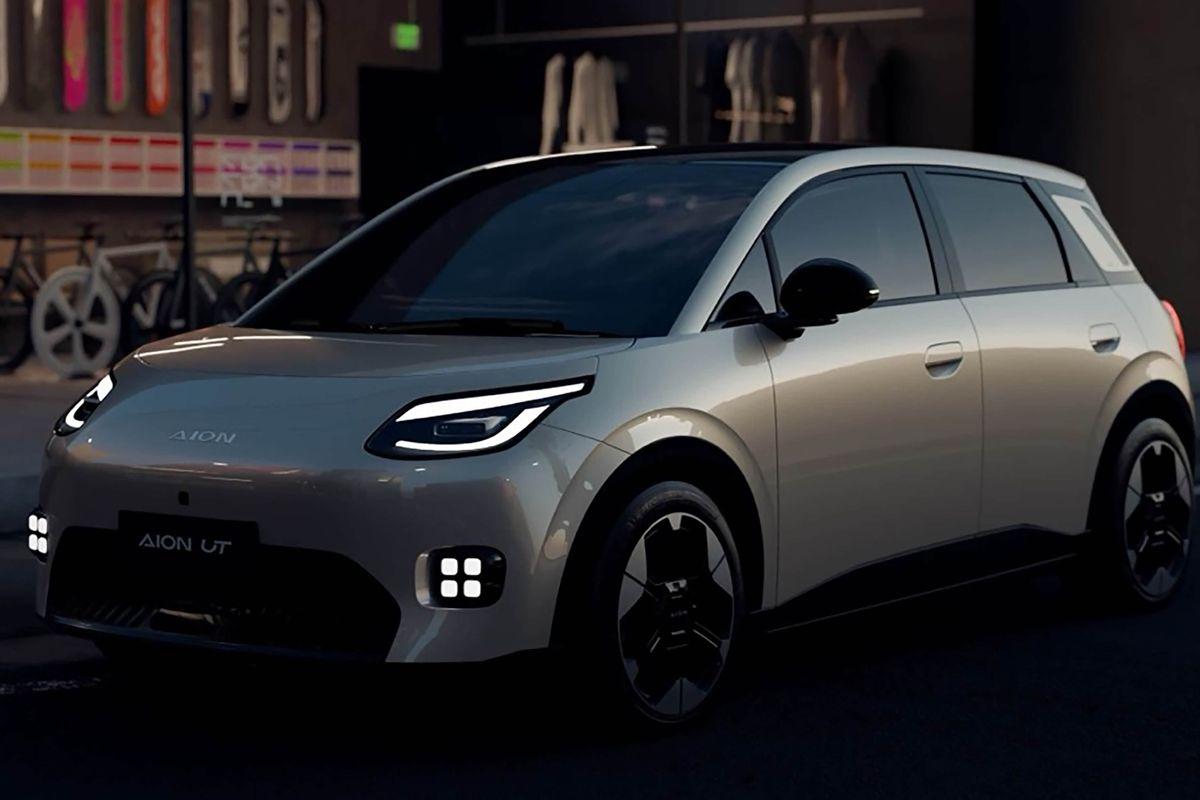
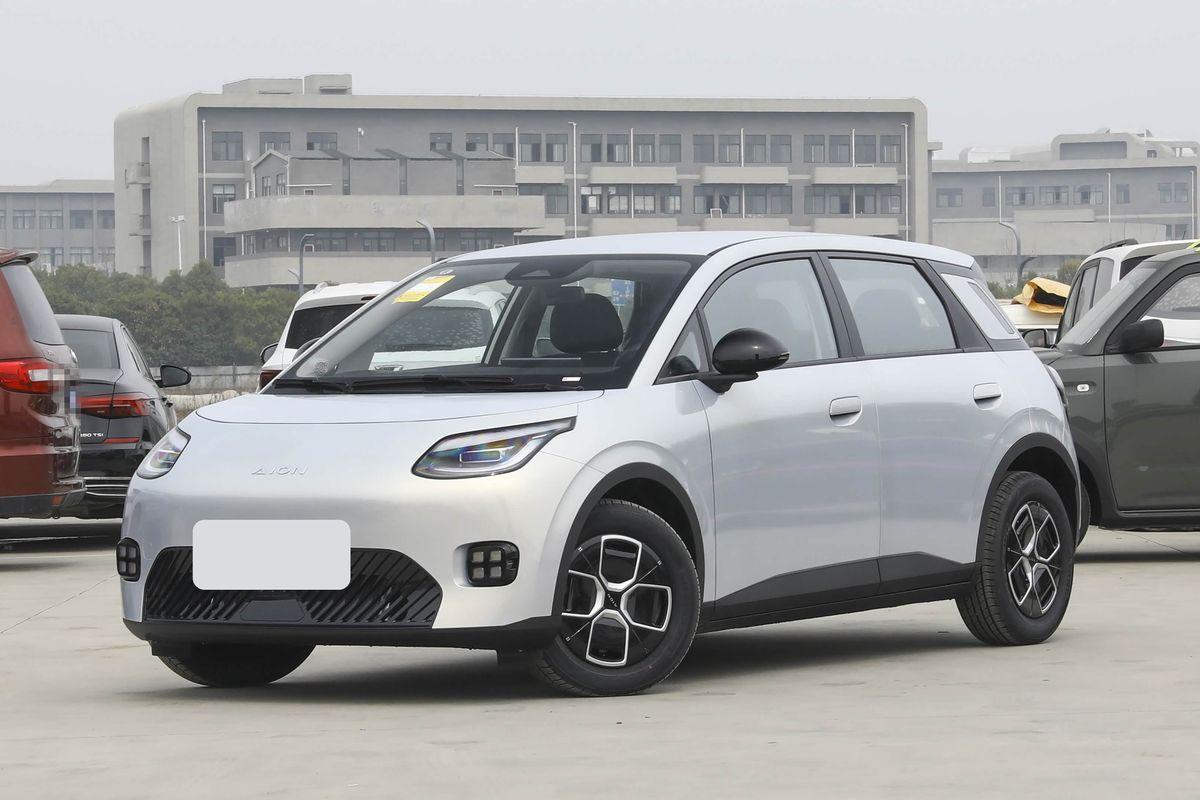
The AION UT is 4270 mm long and 1575 mm tall. That means two cars flat in a 40ft high cube, and usually three or four with a racking system. Here is the arithmetic, the battery paperwork and when Ro-Ro makes more sense.
By EVtoU
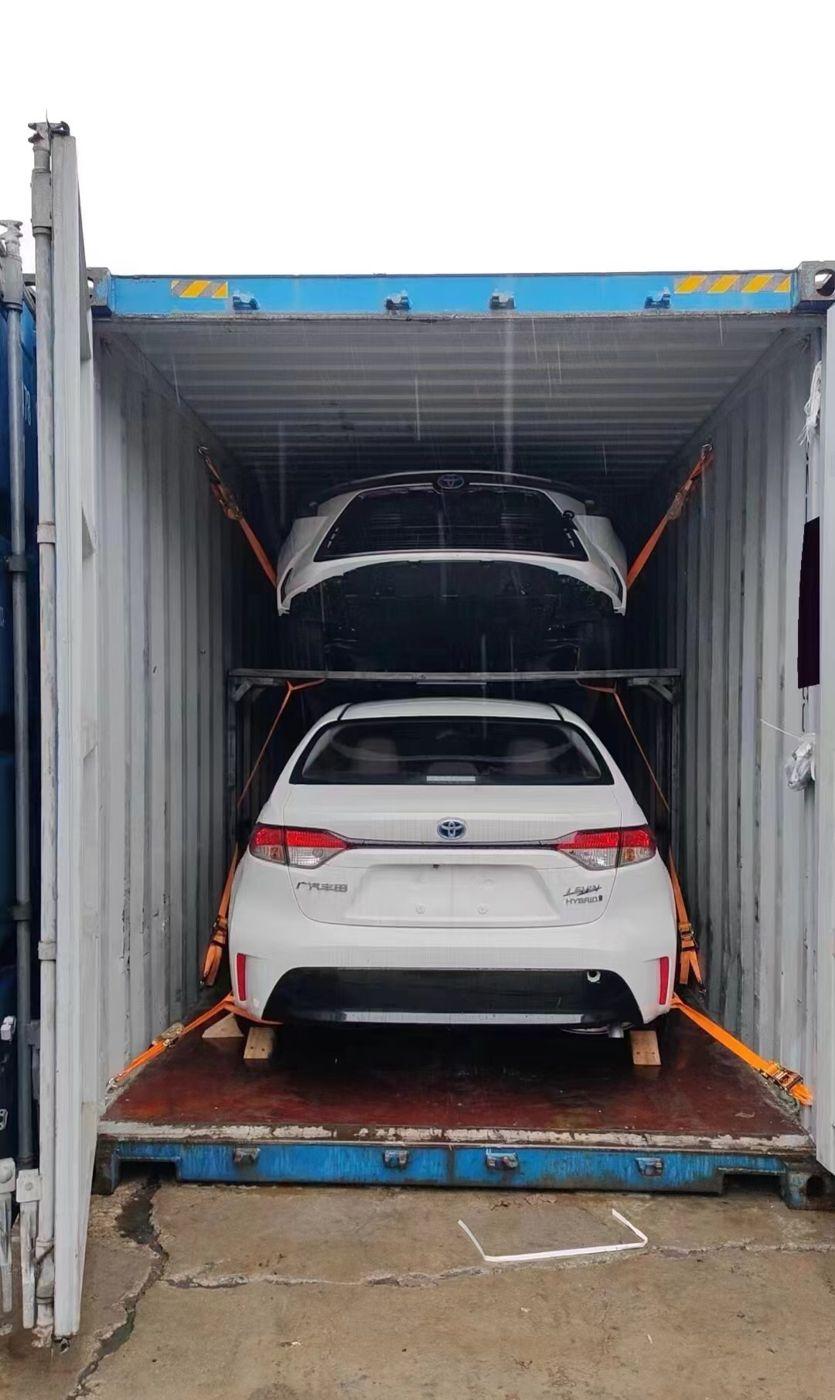
Short answer: two GAC AION UT fit in a 40ft high cube container when loaded flat on the floor, nose to tail. With a racking (two-level, tilted) system, three cars is common and four is often possible for a car of this size, but only after your forwarder confirms it with a loading plan. Weight is never the limit; length and height are. The AION UT is a compact hatchback, not a sedan, and at 4270 mm it is shorter than most sedans, which helps racked loading.
Every container with an AION UT also travels as dangerous goods, because the car carries a lithium-ion (LFP) battery. Below is the arithmetic, the paperwork and a comparison with Ro-Ro shipping.
What are the AION UT and container dimensions?
| Measure | GAC AION UT | 40ft high cube (typical internal) |
|---|---|---|
| Length | 4270 mm | About 12,030 mm |
| Width | 1850 mm (body) | About 2,350 mm |
| Height | 1575 mm | About 2,690 mm |
| Door opening | - | About 2,340 mm wide × 2,580 mm high |
| Weight | 1,436 kg (2026 320) to 1,600 kg (2027 530) curb | Payload usually well over 25,000 kg |
How many fit when loaded flat?
- Length: two cars take 2 × 4270 = 8,540 mm. With about 300 mm between and at the ends for lashing, you use roughly 9.4 m of 12.03 m. Three cars would need 12,810 mm before any gaps, which is more than the container length, so a third car does not fit flat.
- Width: 1850 mm of body in 2,350 mm leaves about 250 mm on each side. That is enough to lash the wheels and open a door carefully, but not enough for two cars side by side.
- Height: 1575 mm leaves more than a metre of empty space above each car unless you use racks.
Result: two AION UT per container flat, with about 2.6 m of spare floor. That space can hold tyres, charger adapters or spare parts if the carrier's dangerous-goods rules allow them in the same box.
How many fit with racking?
To use the height, forwarders install steel racks so some cars sit raised and tilted above others. Simple flat stacking does not work: two cars need 2 × 1575 = 3,150 mm plus the rack, more than the 2,690 mm internal height. Instead, the upper car is angled so its low end sits over the lower car's bonnet or boot, where the lower car is much lower than its roof, and its high end sits over open floor. A short car like the AION UT is easier to rack than a long sedan or SUV.
| Loading method | AION UT per 40ft high cube | Notes |
|---|---|---|
| Flat, nose to tail | 2 | Simplest, no racks, fastest to unload |
| Racked, one car raised and tilted | 3 | Common for compact cars; needs racks and skilled lashing |
| Racked, two cars raised and tilted | 4 | Often possible for a 4270 mm car; confirm with a loading plan |
Even four cars weigh at most 6.4 tonnes (4 × 1,600 kg) plus racks, far below the container payload. The real limits are the 2,580 mm door height, ground clearance when driving onto ramps, and secure lashing of every wheel on a tilted rack.
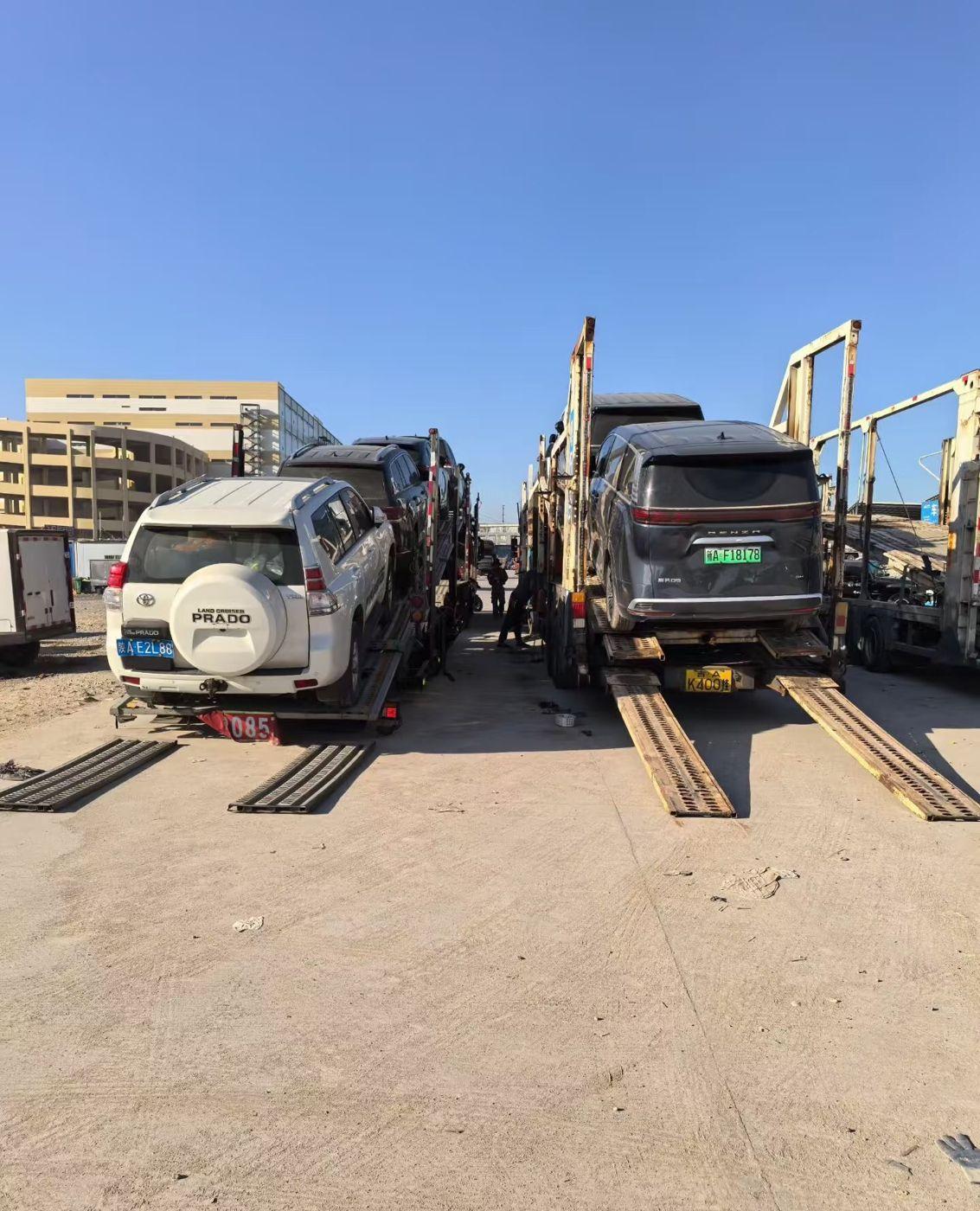
Ask for the loading plan in writing before you pay freight. A quote that assumes four cars per container when only three fit will raise your real cost per car.
What dangerous-goods rules apply?
At sea, battery-electric vehicles are Class 9 dangerous goods under the International Maritime Dangerous Goods (IMDG) Code, maintained by the International Maritime Organization. For many years they were shipped under UN 3171; newer IMDG amendments add a dedicated entry, UN 3556 (vehicle, lithium-ion battery powered). Your forwarder confirms which entry the carrier accepts.
- Dangerous-goods declaration: prepared by the shipper or forwarder and accepted by the carrier before the booking is confirmed.
- Class 9 placards on the outside of the container.
- Battery condition: batteries must be undamaged; damaged or defective batteries follow much stricter rules.
- State of charge: carriers often require a reduced charge level for vehicles in containers. The limit varies by carrier and route, so we charge each car to the level the booking requires.
- Vehicle switched off and secured, with the 12V system handled as the carrier requires.
- Container packing certificate confirming correct loading and lashing.
On the China side, pure-electric passenger cars have needed an export licence since 1 January 2026, plus the usual commercial invoice, packing list and export declaration. Our export process page shows when each document is prepared.
Container or Ro-Ro: which is better?
| Factor | 40ft high cube container | Ro-Ro vessel |
|---|---|---|
| Order size | 1 to a few cars, or mixed loads | Larger batches |
| Cars per unit | 2 flat, 3 to 4 racked | Charged per car by space |
| Protection | Sealed box, door to door | Enclosed vehicle decks |
| Destinations | Almost any container port, including inland depots | Only ports with regular Ro-Ro calls |
| Handling | Loaded and lashed at a depot | Driven on and off the ship |
| Dangerous goods | Declared per container, placarded | Declared per vehicle under carrier rules |
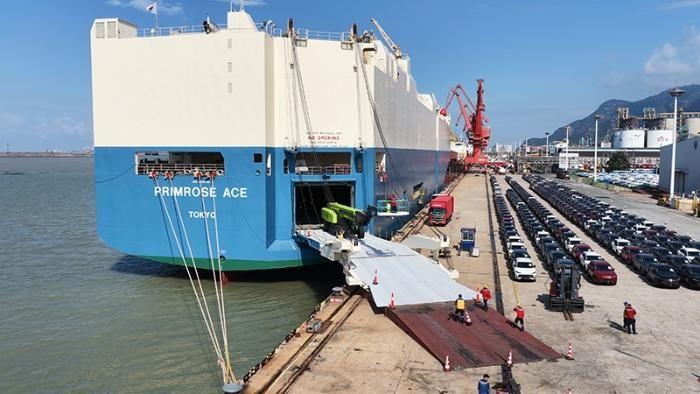
For a single trial car or a mixed load, a container is usually the practical option. For larger fleet orders to a port with regular Ro-Ro calls, Ro-Ro is often simpler. Landlocked markets such as Paraguay and Uzbekistan usually need a container for the final inland leg. See Incoterms for how freight responsibility is split under FOB and CIF.
Can you mix trims or models in one container?
Yes. EVtoU accepts mixed trims and mixed models in one container and helps plan the loading. For example, a 2026 320 Starlight and a 2026 420 Pioneer can travel together, or AION UT cars with other models. Each battery vehicle is listed on the dangerous-goods declaration. Fleet buyers can read about batch orders on our fleet solutions page, and our price guide explains how freight affects landed cost.
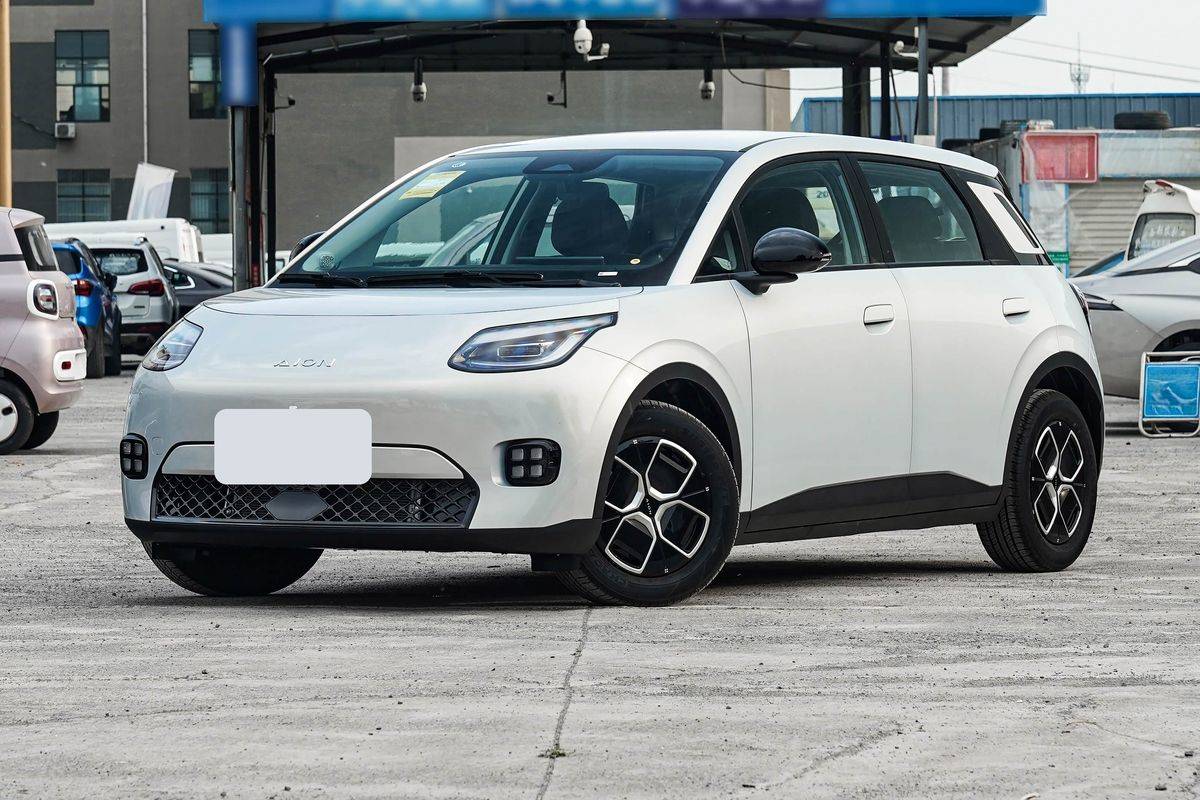
2026 · Electric hatchback · LHD
AION UT 2026 320 Starlight
- Range
- 320 km
- Battery
- 32.2 kWh
- DC 30–80%
- 26 min
Export price
Price on request
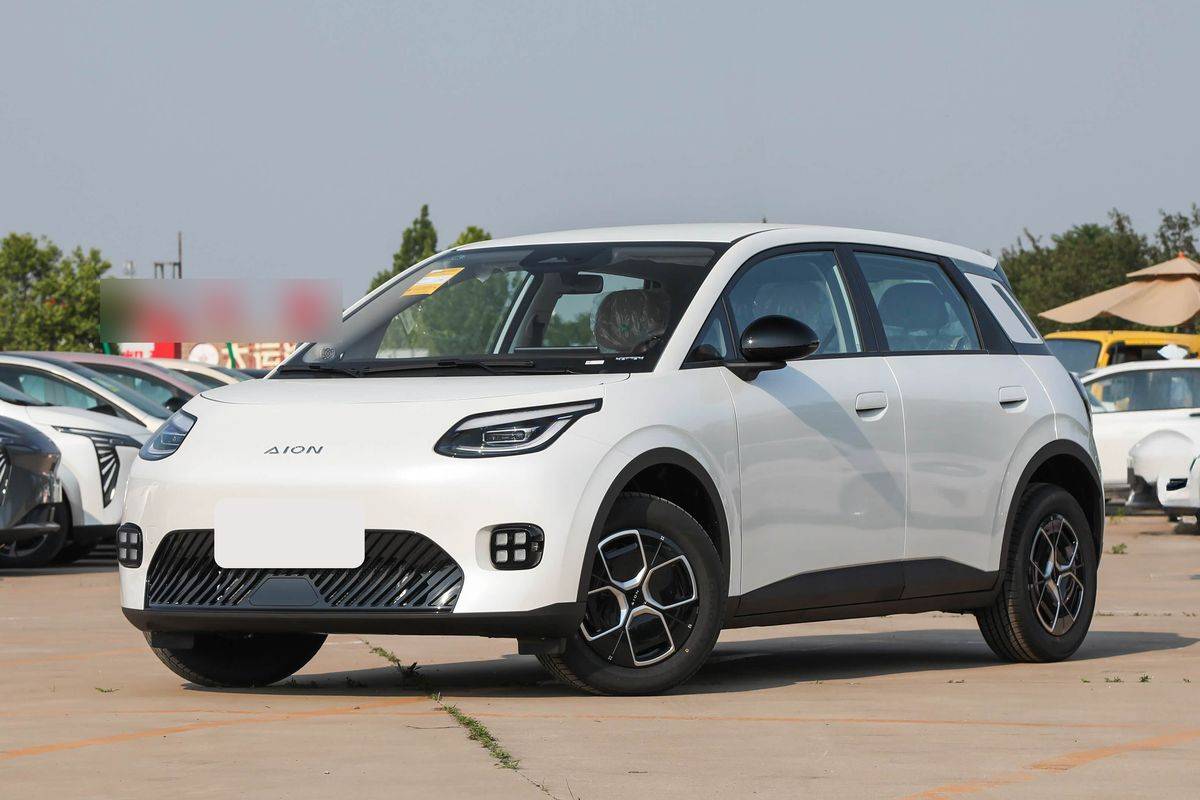
2025 · Electric hatchback · LHD
AION UT 2025 330 Star
- Range
- 330 km
- Battery
- 34.9 kWh
- DC 30–80%
- 24 min
Export price
Price on request
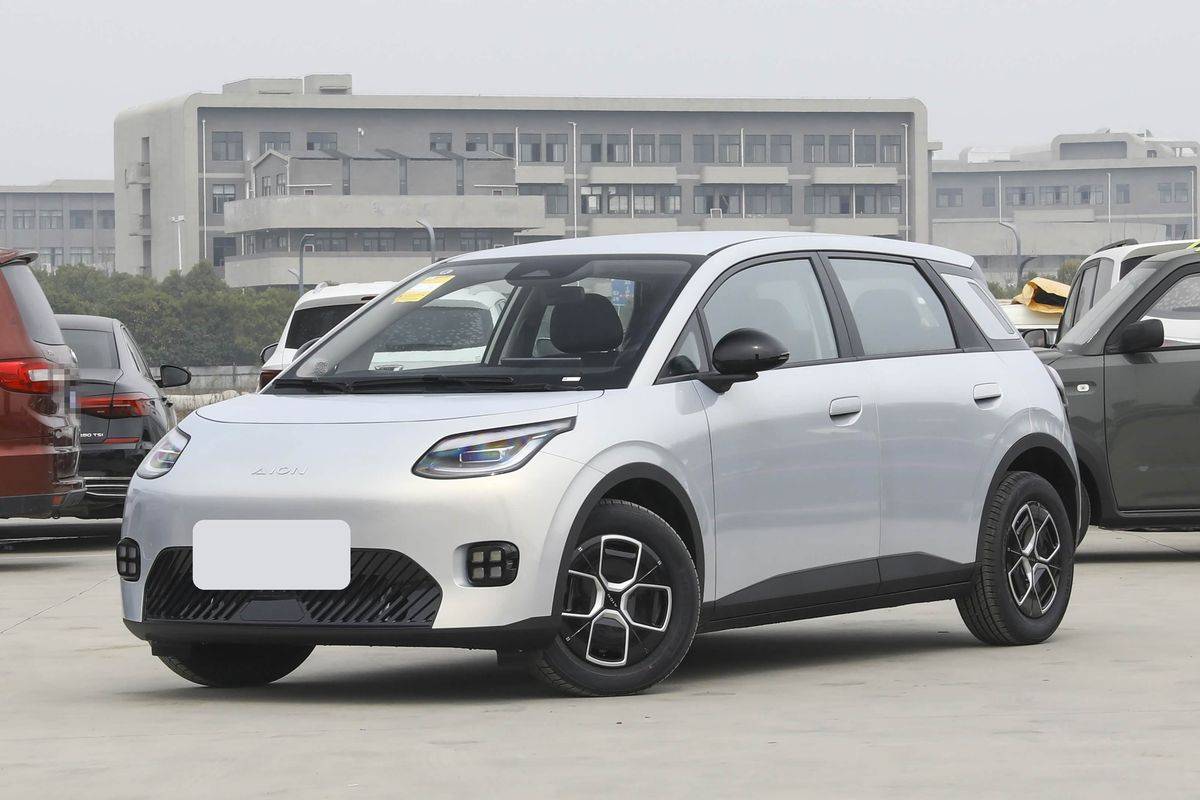
2026 · Electric hatchback · LHD
AION UT 2026 420 Pioneer
- Range
- 420 km
- Battery
- 44.1 kWh
- DC 30–80%
- 24 min
Export price
Price on request