Why Buyers Compare the AION UT with Omoda, Jaecoo, Chery and Leapmotor
Omoda, Jaecoo, Chery and Leapmotor are often on the same shortlist as the AION UT. They are different kinds of cars and different kinds of brands. Here is how to compare them fairly, with China-market figures for the closest Leapmotor models.
By EVtoU
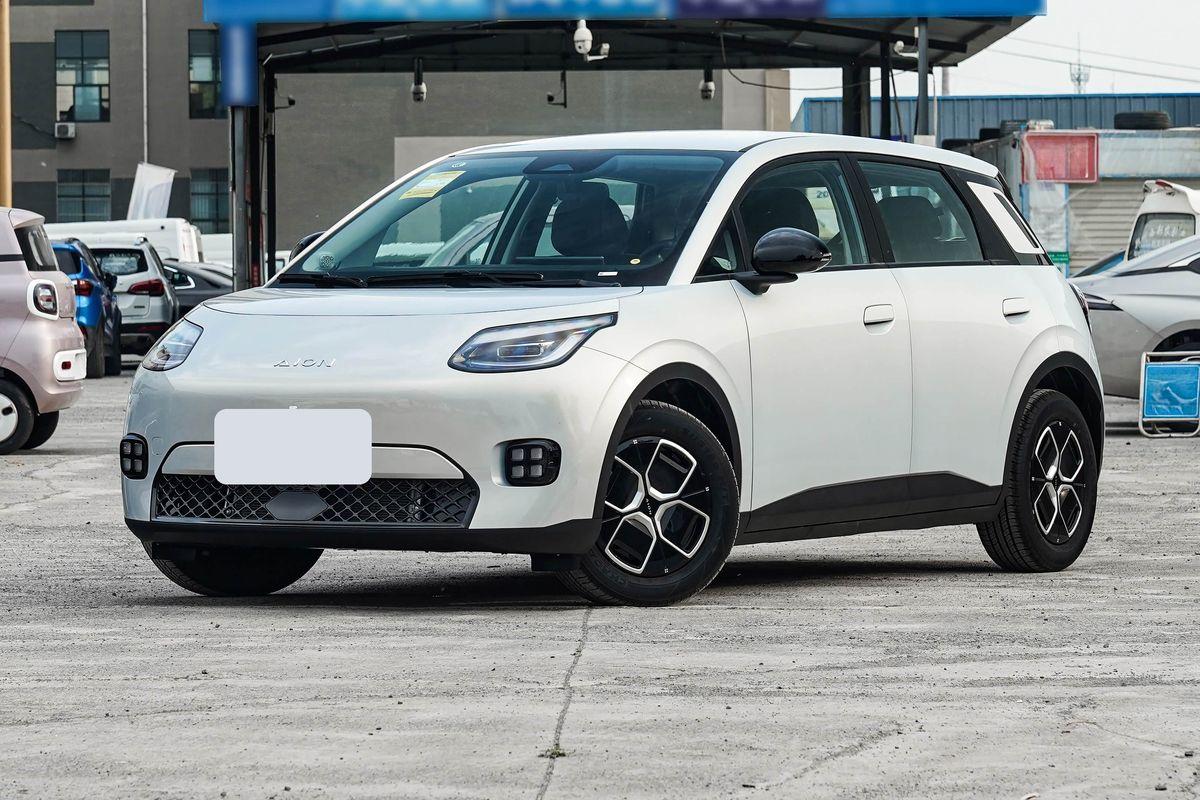
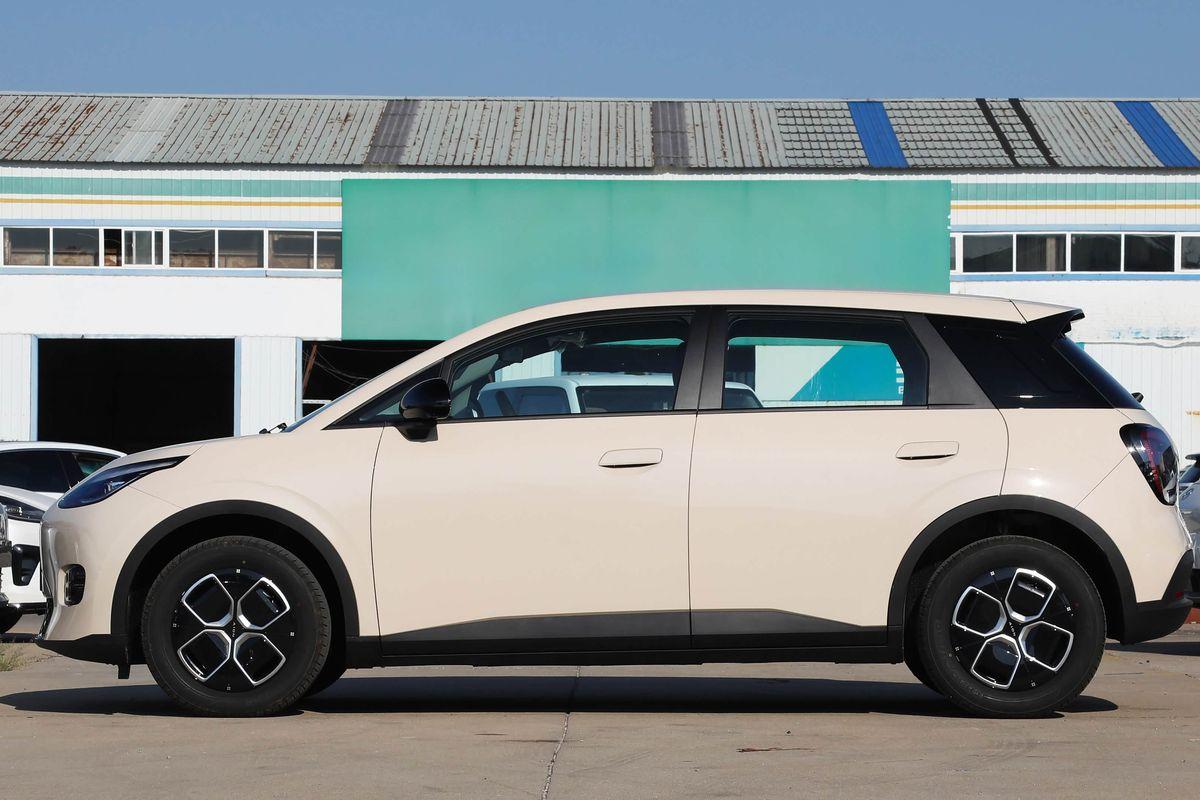
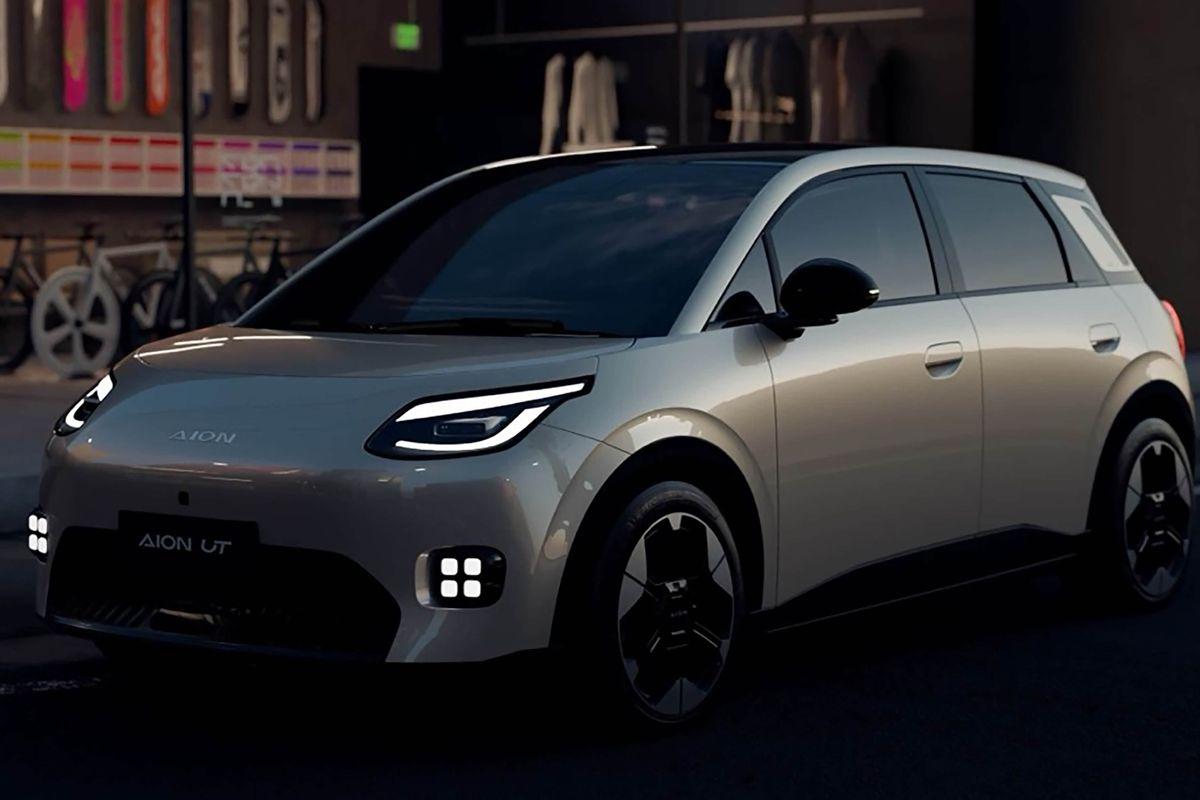
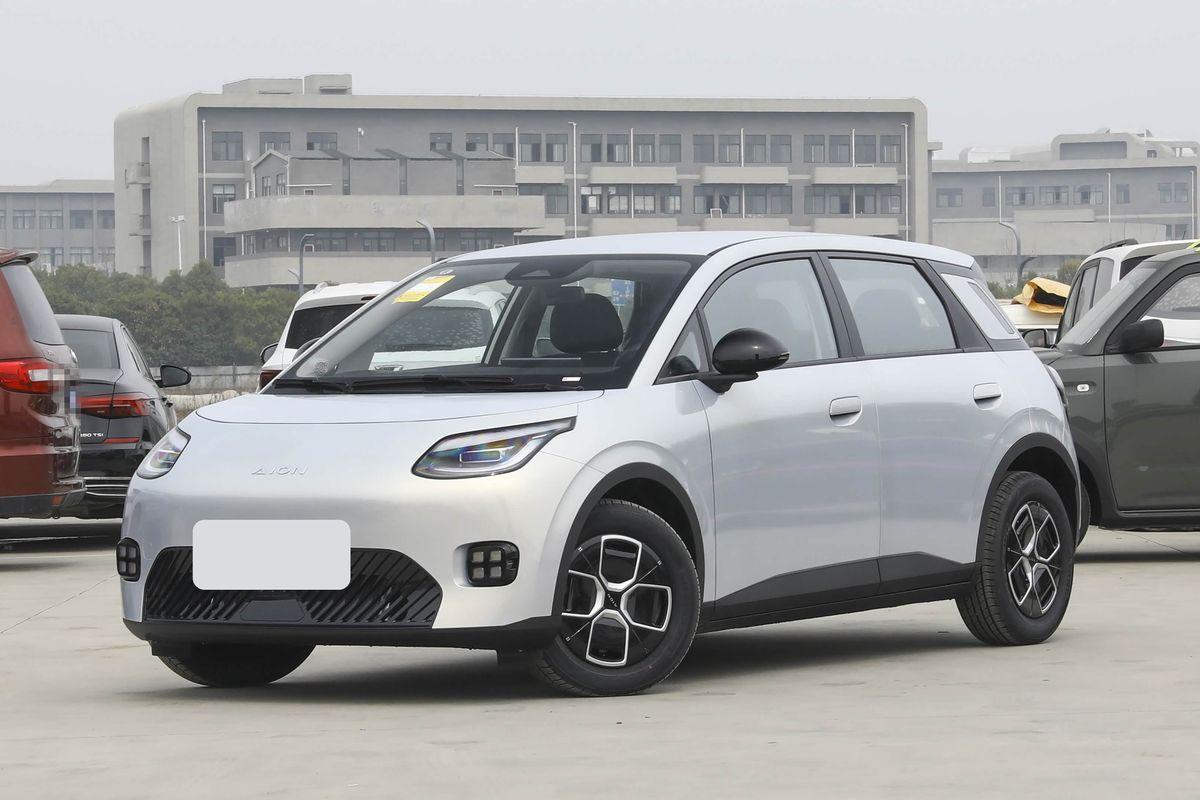
Short answer: buyers compare these brands because they are all Chinese, all well known in export markets and all offer electric cars in a similar size or price area. But they are not direct copies of each other. Omoda and Jaecoo are Chery Group's export-focused brands and sell mostly crossovers and SUVs, many with petrol or plug-in hybrid power. Leapmotor offers pure-electric cars from a small city car up to mid-size SUVs. The AION UT is a pure-electric compact hatchback. If your customer wants an SUV, look at the others; if they want the most cabin and boot space for a compact EV price, the AION UT is a strong option.
Why do these brands end up on the same shortlist?
- Same buyers: importers in Latin America, Africa, Central Asia and the Middle East often sell several Chinese brands side by side.
- Similar price area: compact EVs and small crossovers from these brands compete for the same customers.
- Brand recognition: Omoda, Jaecoo and Chery have official distribution in many countries, and Leapmotor is expanding abroad through Leapmotor International, its joint venture with Stellantis. Buyers ask how the AION UT compares with what they already see on the road.
- Electric versus hybrid: customers who are not sure about going fully electric compare a pure EV with a plug-in hybrid from the same showroom.
How is the AION UT different from Omoda and Jaecoo?
The main difference is body type and powertrain. Omoda and Jaecoo focus on crossovers and SUVs with a higher driving position, and their line-ups in most markets include petrol and plug-in hybrid models next to electric ones. Model names and specifications differ by country, so we do not quote figures here; check the Chery International site and your local distributor for the version sold in your market.
The AION UT is lower, shorter and lighter than a typical compact SUV, and it is electric only. For buyers this means lower energy use (11.4 to 11.7 kWh/100 km CLTC), easier parking in cities, and a boot of 440 L that is large for a 4270 mm car. It also means less ground clearance, so for rough rural roads an SUV is the better tool.
What about Chery's own electric cars?
Chery sells many models under its own name. In export markets the best-known are Tiggo SUVs, mostly with petrol or hybrid power. Its electric offer differs a lot from country to country. For importers this means Chery and the AION UT usually serve different customers: Chery for SUV and hybrid buyers, the AION UT for buyers who want an affordable family-size EV.
How does the AION UT compare with Leapmotor?
Leapmotor is the closest comparison because it builds only electrified cars. Its line-up covers the T03 city car, the A10 small SUV and the B10 compact SUV. The A10 has exactly the same length as the AION UT, which makes it a natural rival.
| China-market figures | GAC AION UT | Leapmotor T03 (2025) | Leapmotor A10 (2026) | Leapmotor B10 (2027) |
|---|---|---|---|---|
| Body | Compact hatchback, 5 seats | City car, 4 seats | Small SUV, 5 seats | Compact SUV, 5 seats |
| Length × width × height | 4270 × 1850 × 1575 mm | 3620 × 1652 × 1592–1605 mm | 4270 × 1810 × 1635 mm | 4515 × 1885 × 1655 mm |
| Wheelbase | 2750 mm | 2400 mm | 2605 mm | 2735 mm |
| Motor power | 100 kW | 55 or 80 kW | 70 or 90 kW | 132 to 185 kW |
| Battery (LFP) | 32.24 to 56.684 kWh | 31.9 or 41.3 kWh | 39.8 or 53 kWh | 60.8 or 69.7 kWh |
| CLTC range | 320 to 530 km | 310 or 403 km | 403 or 505 km | 540 or 610 km |
| Boot | 440–1,600 L | 210–508 L | 602–1,549 L | 557–1,704 L |
| Curb weight | 1,436–1,600 kg | 1,102–1,190 kg | 1,360–1,460 kg | 1,690–1,795 kg |
| Top speed | 150 km/h | 100 km/h | 160 km/h | 160–180 km/h |
Two points stand out. First, the AION UT has a much longer wheelbase than the A10 (2750 mm against 2605 mm), which helps rear legroom, while the A10 has more boot volume with seats up and a taller SUV body. Second, the B10 is a bigger and more powerful car with a larger battery; it competes with larger SUVs rather than with the AION UT. The T03 is a much smaller four-seat city car.
All ranges in this table are CLTC figures, which are higher than WLTP or real highway range. The WLTP information site explains the European test. Export versions of these cars can have different batteries and equipment.
Which questions should importers ask before choosing?
- Does the brand already have an official distributor in your country? If it does, parallel imports may face restrictions or warranty questions. If it does not, your customers depend on you for parts and service, so plan spare parts with the first order.
- Do your customers want an SUV or the best price per seat? The AION UT gives family-size space in a compact, efficient hatchback.
- Which charging standard does your market use? China-market AION UT cars have GB/T inlets; adapters or conversion may be needed.
- Which equipment do local rules or tenders require? On the AION UT, only the 2025 420 Max has AEB and Level 2 assistance. See our trim guide.
- What is the total landed cost? Read our price and range guide before comparing quotes.
Which AION UT trims compete best?
- Against small Leapmotor and Chery city EVs: the 2026 320 Starlight has the 360° camera, side airbags and a larger cabin.
- Against small SUVs: the 2026 420 Pioneer offers 420 km CLTC, cruise, rear sensors and phone mirroring.
- Against longer-range rivals: the 2027 530 CATL Edition reaches 530 km CLTC with comfort equipment and V2L as standard.
Many importers stock more than one Chinese brand. EVtoU supplies new and used vehicles and accepts mixed-model containers, so you can test the AION UT next to your current range with a small trial order. Read our guides for Uzbekistan and Bolivia, or our fleet solutions for taxi and company buyers.
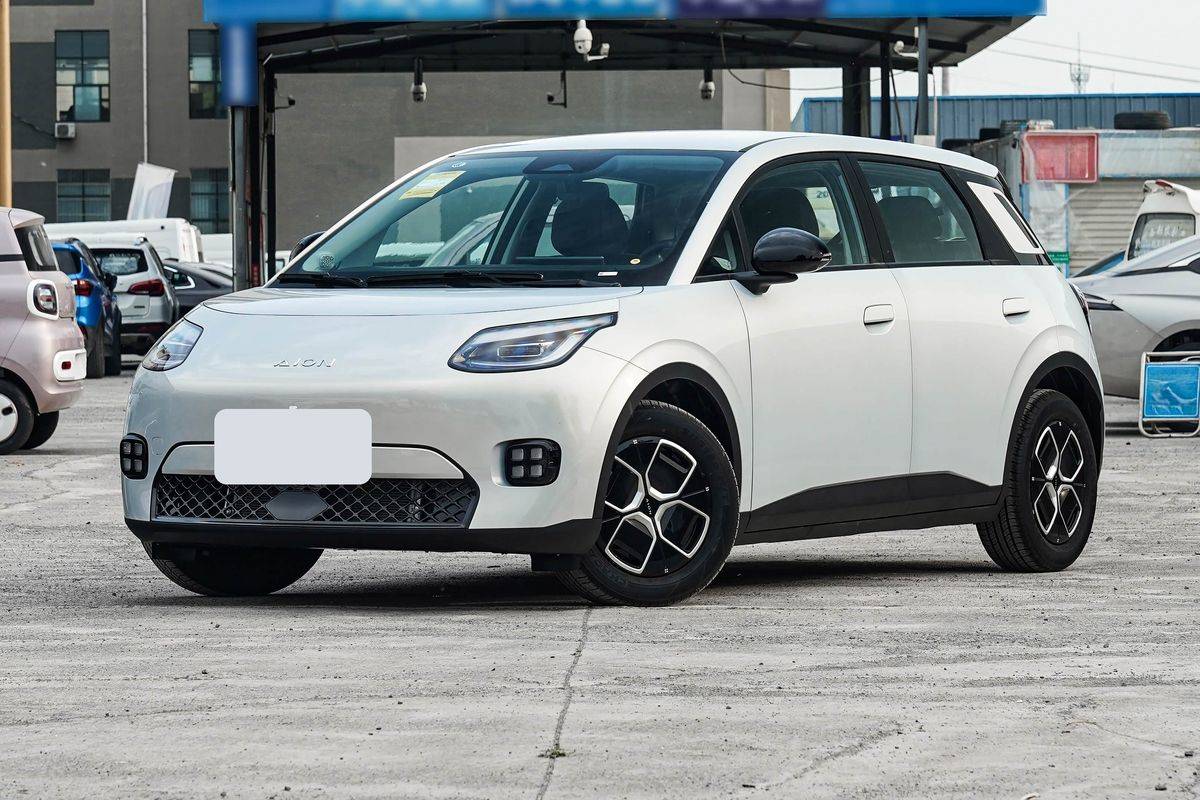
2026 · Electric hatchback · LHD
AION UT 2026 320 Starlight
- Range
- 320 km
- Battery
- 32.2 kWh
- DC 30–80%
- 26 min
Export price
Price on request
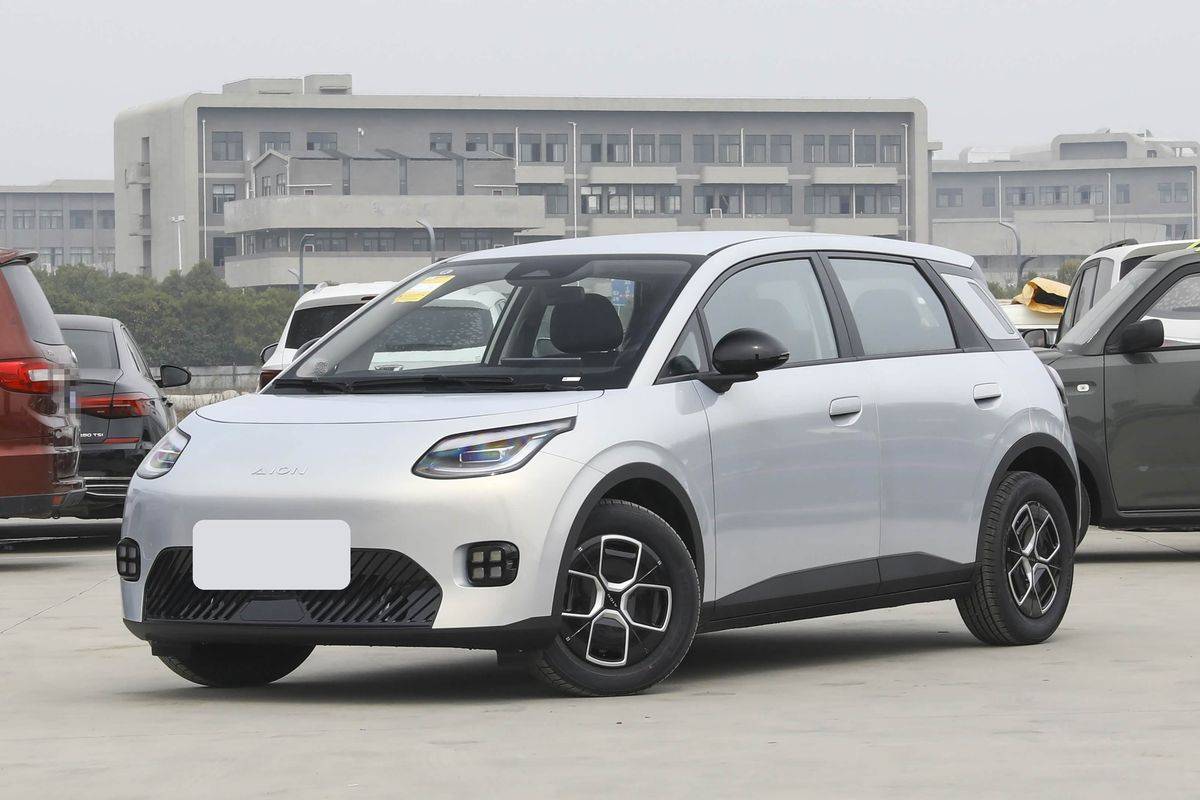
2026 · Electric hatchback · LHD
AION UT 2026 420 Pioneer
- Range
- 420 km
- Battery
- 44.1 kWh
- DC 30–80%
- 24 min
Export price
Price on request
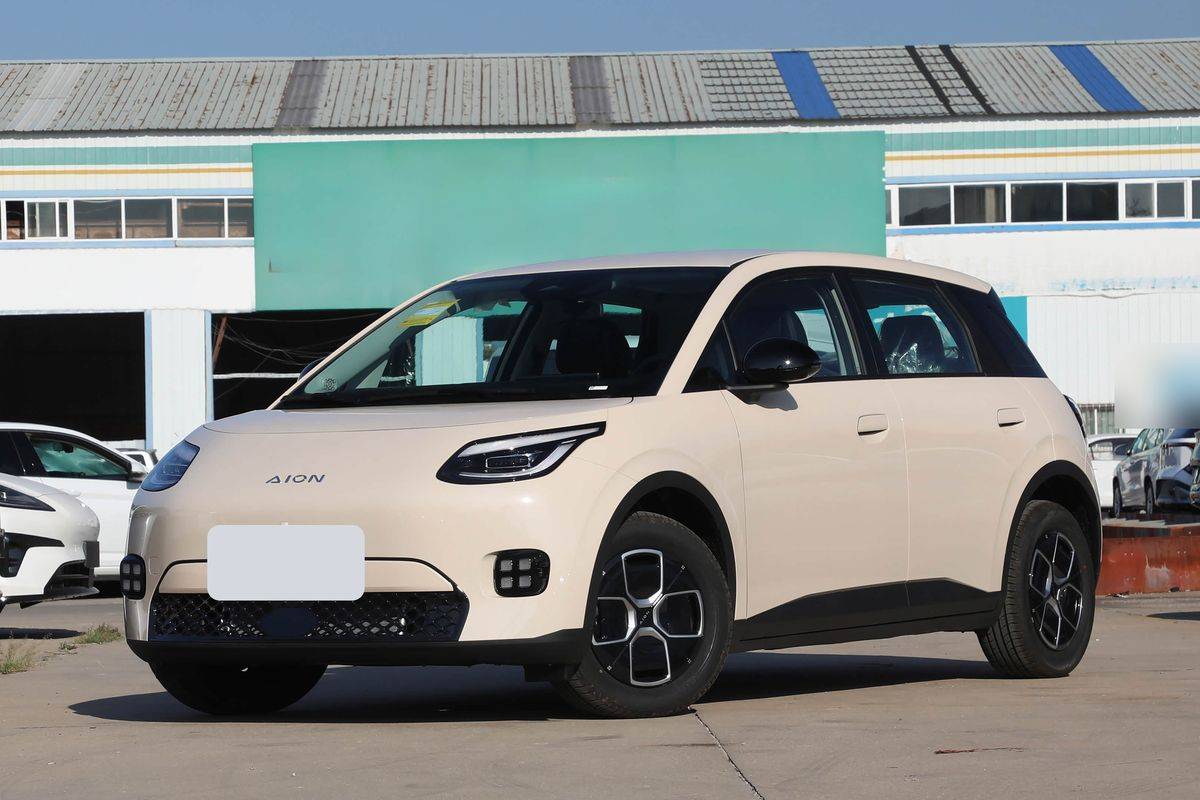
2027 · Electric hatchback · LHD
AION UT 2027 530 CATL Edition
- Range
- 530 km
- Battery
- 56.7 kWh
- DC 30–80%
- 24 min
Export price
Price on request